In a word, a reverse home mortgage is a loan. A property owner who is 62 or older and has substantial home equity can obtain versus the worth of their home and receive funds as a lump amount, fixed regular monthly payment or line of credit. Unlike a forward mortgagethe type used to buy a homea reverse home loan does not require the house owner to make any loan payments.
Federal policies need lenders to structure the transaction so the loan amount doesn't surpass the home's worth and the borrower or borrower's estate will not be delegated paying the difference if the loan balance does end up being bigger than the house's worth. One method this might occur is through a drop in the house's market price; another is if the borrower lives a long period of time.
On the other hand, these loans can be expensive and complicated, in addition to subject to scams. This post will teach you how reverse home mortgages work, and how to secure yourself from the risks, so you can make an informed choice about whether such a loan might be right for you or your parents.
The number marks an all-time high considering that measurement started in 2000, underscoring how large a source of wealth home equity is for retirement-age grownups. House equity is just functional wealth if you sell and scale down or borrow against that equity. Which's where reverse mortgages come into play, particularly for retired people with minimal earnings and few other properties.
Facts About How To Compare Lenders For Mortgages Uncovered
Reverse mortgage permit property owners to transform their home equity into cash income with no monthly home loan payments. Many reverse home mortgages are federally guaranteed, however be careful a spate of reverse home loan frauds that target senior citizens. Reverse home loans can be a terrific financial choice for some, but a bad decision for others.
With a reverse home loan, instead of the house owner paying to the lender, the lender makes payments to the homeowner. The homeowner gets to select how to get these payments (we'll discuss the choices in the next area) and only pays interest on the earnings got. The interest is rolled into the loan balance so the property owner does not pay anything up front.
Over the loan's life, the house owner's financial obligation increases and house equity decreases. Similar to a forward home mortgage, the home is the security for a reverse home loan. When the homeowner moves or dies, the proceeds from the home's sale go to the loan provider to repay the reverse home loan's principal, interest, mortgage insurance, and charges.
Sometimes, the beneficiaries may choose to pay off the home mortgage so they can keep the house. Reverse home loan profits are not taxable. While they might seem like income to the house owner, the Internal Revenue Service considers the cash to be a loan advance. There are $13 types of a reverse mortgage.
Everything about What Is The Interest Rate On Reverse Mortgages
The HECM represents nearly all of the reverse mortgages lenders use on house worths below $765,600 and is the type you're probably to get, so that's the type this post will go over. If your house deserves more, nevertheless, you can look into a jumbo reverse home loan, likewise called an exclusive reverse home mortgage.
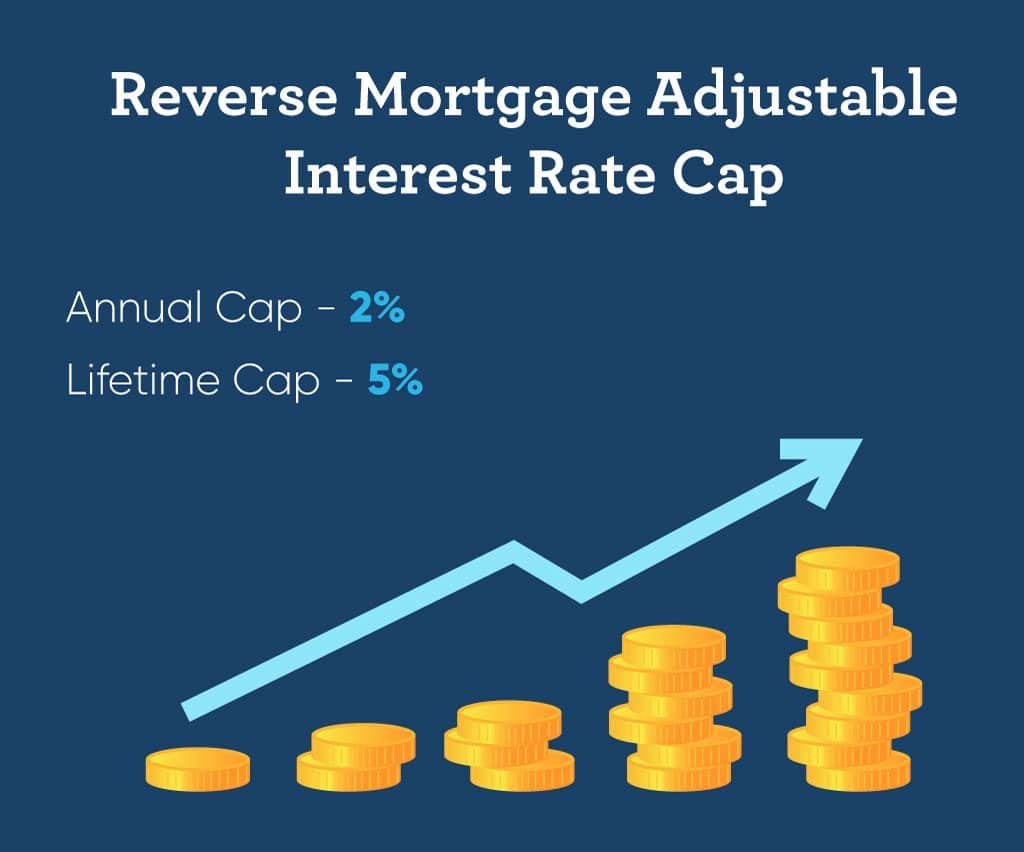
This is the only alternative that features a fixed rate of interest. The other five have adjustable interest rates. For as long as a minimum of one customer lives in the house as a principal residence, the loan provider will make constant payments to the borrower. This is likewise called a tenure strategy.: The loan provider gives the debtor equivalent monthly payments for a set duration of the customer's picking, such as ten years.
The property owner only pays interest on the amounts in fact borrowed from the credit line. The loan provider supplies stable monthly payments for as long as a minimum of one debtor occupies the home as a principal residence. If the borrower requires more cash at any point, they can access the line of credit - what is the interest rate on reverse mortgages.
If the customer needs more money throughout or after that term, they can access the line of credit. It's likewise possible to use a reverse home mortgage called a HECM for purchase" to buy a various home than the one you currently reside in. In any case, you will generally require at least 50% equitybased on your house's existing worth, not what you spent for itto get approved for a reverse mortgage.
Rumored Buzz on How To Combine 1st And 2nd Mortgages
The variety of reverse mortgages released in the U.S. in 2019, down 35.3% from the previous year. A reverse home mortgage may sound a lot like a house equity loan or line of credit. Certainly, similar to among these https://writeablog.net/iortustgee/the-goal-is-that-through-this-meeting-you-will-be-able-to-make-an-informed loans, a reverse mortgage can supply a lump amount or a credit line that you can access as required based on how much of your house you have actually settled and your home's market value.
A reverse home loan is the only method to gain access to house equity without selling the home for seniors who do not desire the obligation of making a monthly loan payment or who can't certify for a house equity loan or refinance due to the fact that of limited capital or bad credit. If you don't receive any of these loans, what options stay for utilizing home equity to money your retirement!.?. !? You could sell and downsize, or you could offer your home to your children or grandchildren to keep it in the family, possibly even becoming their renter if you wish to continue living in the home.
A reverse home loan enables you to keep living in your house as long as you keep up with property taxes, upkeep, and insurance coverage and don't need to move into an assisted living home or helped living center for more than a year. Nevertheless, getting a reverse mortgage means spending a considerable quantity of the equity you have actually built up on interest and loan charges, which we will go over listed below.
If a reverse home loan doesn't provide a long-term solution to your financial issues, only a short-term one, it may not be worth the sacrifice. What if somebody else, such as a good friend, relative or roomie, deals with you? If you get a reverse home mortgage, that person will not have any right to keep residing in the house after you die.
How How Do Escrow Accounts Work For Mortgages can Save You Time, Stress, and Money.
If you pick a payment strategy that does not provide a lifetime income, such as a lump sum or term strategy, or if you secure a credit line and utilize everything up, you may not have any money left when you need it. If you own a house, condo or townhouse, or a manufactured house constructed on or after June 15, 1976, you may be qualified for a reverse mortgage - what are current interest rates for mortgages.
In New York, where co-ops prevail, state law even more prohibits reverse home loans in co-ops, allowing them only in one- to four-family houses and condos. While reverse home loans do not have income or credit history requirements, they still have rules about who certifies. You must be at least 62, and you should either own your house free and clear or have a significant quantity of equity (a minimum of 50%).